Why Video Is Surprisingly Immune to Irrelevancy: What AI Still Can't Replace


AI is disrupting every part of marketing. It writes the copy, designs the graphics, builds the websites, and now it makes the videos too. If you run a business, that's a scary place to put your time and money, because the tactic you invest in today could be automated tomorrow.
AI-generated video is nothing new. You've probably scrolled past plenty of it this week. But in this article, I'll point out what most business owners are missing: the thing that makes video valuable is the one thing AI can't fake. You.
That's the bet I'm making with Cafio, and here's why video marketing in the age of AI is still one of the safest places to invest.
How AI is changing video production
Let's start with the honest part. AI is already reshaping the video industry. You can type a sentence and get a realistic video clip back in minutes. Editing tools can cut a long interview into short social clips and write the captions for you.
Marketers are using it, too. In Wyzowl's 2026 State of Video Marketing survey, 63% of video marketers said they've used AI tools to help create or edit marketing videos, up from 51% the year before.
That's a big shift, and parts of video production will get faster and cheaper because of it. But the hardest part of video marketing has always been getting people to trust what they're watching.
Why AI will never replace a real human on camera
This is one of the rare places where I'll make a confident prediction: AI will not make authentic video obsolete. It may shape how authentic video gets made, but there's no substitute for a real human on camera, and there never will be. Being on video is one of the best things a business owner can do for their brand.
People decide whether to trust a business the same way they decide whether to trust a person, and video is the closest thing to meeting you in person.
A real leader on camera
There's no replacement for a business owner looking into the camera and talking to their customers. AI can generate a face and a voice, but it can't make them yours or make you accountable for what's said.
Real events only happen once
A grand opening, a community fundraiser, your team volunteering on a Saturday morning. Footage of a real event proves it happened, and as AI video gets better, proof becomes more valuable.
Real stories belong to real people
A customer explaining in their own words how you solved their problem is one of the most persuasive videos a business can make. It also can't be faked without crossing a legal line: in 2024, the FTC finalized a rule that bans fake reviews and testimonials, including AI-generated ones.
The attention economy vs. the trust economy
Everyone talks about the attention economy, the constant fight for eyeballs and clicks. We don't talk nearly enough about the trust economy, and it matters more.
Attention is fleeting. You can buy it with an ad, and it's gone by the next scroll. Trust is what every exchange of goods and services has always rested on, and real video is one of the fastest ways to earn it.
The trust problem with AI-generated content
As AI content floods the internet, people are getting better at spotting it, and they don't love what they see.
In a December 2025 survey of 8,000 consumers across eight countries, Klaviyo and Datalily found that when people notice AI-generated content in a brand's marketing, 31% trust the brand less and only 7% trust it more. That's four times more likely to hurt trust than help it.
Visible, generic AI content makes a brand feel manufactured. Real video does the opposite.
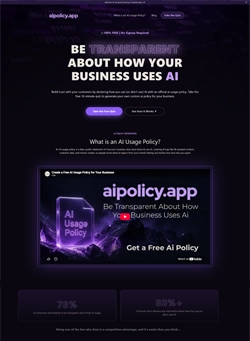
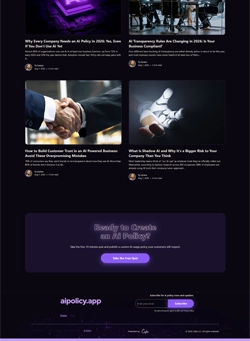
So how do you use AI without losing trust? Be open about it. One of the best ways to be transparent about AI use as a business is to publish an AI policy that explains how you use AI and how you protect your customers' information. Cafio built a free AI usage policy generator at aipolicy.app to make that easy. A short guided quiz creates a custom policy for your business in about 10 minutes, no signup required.

Why human-made work is about to be worth more
As AI floods every creative field, people want a way to tell what a machine made from what a person made. That push for clear labels is already spreading well beyond marketing.
In music, Spotify announced in 2025 that it would adopt an industry standard for AI disclosures in song credits and remove unauthorized AI voice clones. In Europe, the EU AI Act's transparency rules took effect in August 2026, and they require businesses to clearly label deepfakes, meaning AI-generated images, audio, or video that could pass as real. Expect the same pressure to keep growing in art, writing, photography, and online content of every kind.
Here's where I think this goes. When AI content becomes the default, human-made work becomes the premium, much like handmade goods became something people sought out after factories made everything cheap and identical.
For business owners, that's good news, because video puts your most human assets on display: your face, your voice, your team, and your real customers.
Video marketing still drives buying decisions
While other tactics come and go, video keeps doing the job that matters most: helping people decide to buy. Wyzowl's 2026 survey found that 85% of people have been convinced to buy a product or service by watching a video. And 63% of consumers said a short video is how they'd most like to learn about a product or service, ahead of every other format.
Faceless videos and AI-generated videos can still perform well, and they have their place, from quick product demos to animated explainers. But there's no replacement for authentic human connection, even when it's one-sided. Viewers can feel like they know a creator they've never met, what researchers call a parasocial relationship, and that sense of knowing a real person is what turns viewers into customers.
To be fair, more video doesn't automatically mean better results. In the same survey, the share of marketers who said video gave them a good return dropped from 93% to 82% in a year. As more businesses pump out quick, forgettable videos, the ones that stand out are the ones with a real person and a real message behind them.
How to make video that AI can't replace
You don't need a Hollywood budget to make video that holds its value. You need real people and a clear message. Here's where I'd start:
- Put your own face on camera. A 60 to 90 second brand video with you explaining who you help and why is the sweet spot for most businesses. If you're camera-shy, you're far from alone, and it gets easier every time you do it.
- Film real moments. Events, behind-the-scenes work, your team on the job. These are the clips no one else can make.
- Let your customers tell the story. A happy customer on camera beats any claim you can make about yourself. Get their written permission before you publish.
- Talk the way you actually talk. Plan your key points, but skip the word-for-word script. Viewers trust natural more than perfect.
- Build one strong video, then cut it down. A single well-produced brand video can become a dozen short clips for social media and email.
- Keep showing up. One video helps. A steady presence over months is what builds real trust.
Where AI fits in video production
I'm not anti-AI. We use it at Cafio, and it makes good video faster to produce. The smart move is to let AI handle the busywork so more of your budget goes toward the parts that build trust.
AI is genuinely useful for transcripts and captions, rough first cuts, cleaning up audio, and turning one long video into short clips. It can also help you brainstorm ideas or outline what to say.
What it can't do is stand in for you. The face, the voice, the story, and the judgment about what your customers need to hear should always come from real people. Use AI to work faster, and keep the human parts human.
Video production at Cafio
At Cafio, we love filming our clients and telling their stories. Our done-for-you video production covers brand and about-us videos, event coverage, training videos, testimonials, and drone footage, shot on a cinema-grade 8K stabilized camera.
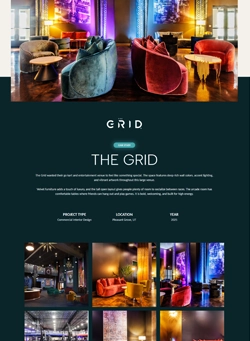
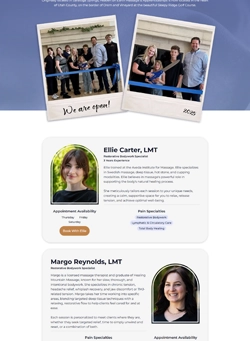
For Bella Wellness, we filmed a one-day studio shoot with the brand's own founder on camera. For Heaven on Earth Massage, a promo video featuring owner Christina helped tell the story behind the studio. Both put a real person at the center, which is exactly where we think the value lives.
We're based in Utah and travel anywhere in the US for production when clients cover travel costs. Rates start as low as $500 for a professional business video, and we also offer a video retainer for businesses that want a steady flow of content.
If you're ready to show up on camera, or just want to talk through what that could look like, book a free discovery call. We'll help you figure out the right first video for your business.
Frequently asked questions
Is video marketing still worth it now that AI can make videos? Yes. AI makes generic video cheap and plentiful, which makes real, human video stand out more. Video featuring real people builds the kind of trust that generated content struggles to earn.
Can AI-generated video replace a real brand video? For some jobs, like simple animations or background footage, AI can help. For anything meant to build trust, like a founder introduction or a customer testimonial, real people on camera are still the better choice. Fake testimonials are also banned under FTC rules.
How long should a brand video be? Shorter is usually better. In Wyzowl's survey, most marketers said videos between 30 seconds and 2 minutes work best for general marketing. Save longer formats for webinars, training, and deep dives.
Should I use AI to edit my business videos? It can save real time on captions, transcripts, and short clips. Just keep a person in charge of the creative decisions, so the final video still sounds like you.
What if I'm uncomfortable on camera? That's common, and it gets easier with practice. Talk about what you know best, imagine you're speaking to one customer, and do a few takes. A good production crew will make the process feel a lot less awkward.
Sources
- Wyzowl, State of Video Marketing 2026, survey of 266 respondents in late 2025
- EMARKETER, Visible AI in marketing is four times more likely to cost brands trust than build it, Klaviyo and Datalily data from December 2025
- Sidley Austin, U.S. FTC's New Rule on Fake and AI-Generated Reviews and Social Media Bots
- TechCrunch, Spotify updates AI policy to label tracks, cut down on spam
- Baker McKenzie, New EU guidance on AI transparency: what should companies be doing from 2 August 2026